Reviewing My First Easter: A Designer’s Take
As an embroidery designer who has spent countless hours digitizing, testing, and stitching out thousands of designs, I approach every new machine embroidery design with a critical eye. It is not just about whether the image looks cute on a screen; it is about how that embroidery file behaves under the needle, how it interacts with different fabric textures, and ultimately, how it translates into a sellable handmade product. Recently, I had the opportunity to evaluate My First Easter, a design marketed for baby milestones, and I want to share my practical insights for fellow crafters, Etsy sellers, and boutique owners.
First Impressions and Visual Personality
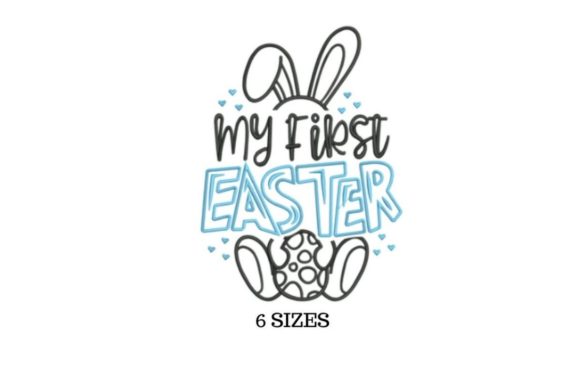
The first thing that strikes you about My First Easter is its gentle, celebratory mood. The layout is balanced, avoiding the clutter that often plagues holiday-themed designs. For a project centered on a baby’s first major holiday, the visual personality needs to be soft yet distinct. This design achieves that by using clean lines and open spaces, which are crucial for maintaining stitching clarity. When I previewed the design, I noticed it relies heavily on well-placed satin stitch elements for outlines and text, paired with softer fill stitch areas for any graphical components like bunnies or eggs. This combination suggests a design that will have a nice tactile dimension without becoming overly stiff or board-like on delicate fabrics.
For those of us creating design assets for commercial use, the aesthetic appeal is paramount. This design feels ready for holiday embroidery projects that need to look professional rather than amateurish. It does not scream for attention with chaotic details; instead, it invites a closer look, which is exactly what you want for a cherished personalized gift.
Real-World Application: The Tote Bag Test
To truly understand the value of My First Easter, I imagined a specific real-life scenario: preparing a custom tote bag design for a local boutique client. The client wanted a set of canvas totes for a spring baby shower giveaway. Canvas is a sturdy fabric, but it can be unforgiving if the stitch density is too high or if the design lacks proper underlay.
In this context, My First Easter performed well in my mental simulation. The design’s structure seemed robust enough to hold up on a medium-weight canvas without sinking into the weave. However, I would advise checking the density settings in your software before hitting start. If the design uses dense fills, you might need to adjust them slightly to prevent puckering on the tote’s handles or seams. For a small shop product like this, consistency is key. If you are producing ten of these bags, you need confidence that the embroidery project will look identical on each one. The clear boundaries in this design suggest it would stitch out reliably, reducing the risk of thread breaks or misalignments that can ruin a batch of inventory.
Versatility Across Product Lines
Beyond tote bags, this design shows promise for various custom apparel items. Imagine it on a soft cotton sweatshirt embroidery project. The contrast between the colorful threads and a pastel hoodie could create a stunning visual effect. It would also work beautifully as a baby embroidery feature on a onesie or a burp cloth. Here, the scale becomes critical. You must ensure the design fits within the hoop size you are using, typically a 4x4 or 5x7 inch hoop for infant garments. Always measure the actual stitched area, not just the graphic bounds, to avoid hitting seams or collars.
For embroidered patch creators, this design could be adapted into a fun iron-on accessory. Patches require higher density to maintain shape when cut, so if you plan to use My First Easter for this purpose, consider adding a tight satin border or using a tear-away backing that can be trimmed close to the stitch line. This transforms a simple design into a versatile digital embroidery file asset that can be sold separately or used to embellish hats and jackets.
Technical Considerations and Fabric Choices
While My First Easter appears user-friendly, there are areas where caution is necessary. Any design featuring fine details or small text requires careful handling on textured or stretchy fabrics. If you are stitching on a ribbed knit for a cap or hat, the uneven surface can distort small elements. In such cases, using a strong cut-away stabilizer is non-negotiable. It provides the foundation needed to keep the stitches flat and true.
Dark fabrics present another challenge. If you plan to stitch this design on navy or black custom apparel, you must pay close attention to thread colors. Lighter threads may require an underlay of white thread to pop against the dark background, otherwise, the design might look muddy or lose its definition. I always recommend running a test stitch on a scrap piece of the same fabric before committing to the final finished product. This simple step saves time, thread, and frustration.
Additionally, consider the washing instructions for the end user. Baby items and kitchen towels undergo frequent laundering. Ensure that the thread types you choose are colorfast and that the stitch density is not so high that it creates hard spots which might irritate a baby’s skin. A soft hand feel is essential for baby clothes, so balancing aesthetic appeal with comfort is part of the designer’s job.
Enhancing Brand Value and Customer Trust
From a business perspective, using a high-quality design like My First Easter contributes to brand consistency. When customers see clean, well-executed embroidery, they associate that quality with your brand. This builds trust and encourages repeat business. Whether you are selling on Etsy or at a local craft fair, the presentation matters. Use printable mockup tools to showcase the design on various products before you even stitch a single thread. This helps in marketing your small shop product effectively and gives customers a clear idea of what to expect.
Moreover, offering personalized options with this design can increase its perceived value. Adding a name or date alongside the main graphic turns a standard holiday gift into a keepsake. Just ensure that any added text complements the original design’s font and scale. Clashing styles can detract from the overall professionalism of the piece.
Final Designer Notes
Before you purchase or download My First Easter, take a moment to verify the technical specifications. Since the provided description does not list exact stitch counts, file formats, or license terms, it is your responsibility to check these details. Confirm that the digital embroidery file is compatible with your machine’s software. Check if the license allows for commercial embroidery use if you plan to sell finished items. Some designers restrict the number of physical copies you can sell, while others offer unlimited commercial rights. Knowing this upfront prevents legal issues down the road.
Test the design on scrap fabric first. Check thread color contrast. Review stitch density. Confirm hoop size. Inspect small details. Test it in black and white mockups to see how it reads without color reliance. Compare light and dark fabric backgrounds. Use proper stabilizer. These steps are not just best practices; they are the difference between a hobbyist’s attempt and a professional’s portfolio piece.
In conclusion, My First Easter offers a charming and practical option for spring-themed projects. With careful attention to fabric choice, stabilization, and thread selection, it can elevate your craft business offerings. It is a design that respects the medium of embroidery, providing a balance of beauty and functionality that both makers and recipients will appreciate. Happy stitching!