Z Girl Teddy: A Designer’s Take on Sketch-Style Embroidery
As a designer who has spent countless hours digitizing and testing machine embroidery design files, I have developed a keen eye for what translates well from screen to fabric. When I first loaded the Z Girl Teddy file into my software, I wasn’t looking for complexity; I was looking for character. In the world of handmade goods, sometimes less is more, especially when you are aiming for that effortless, artisanal aesthetic. This particular alphabet set caught my attention because it promises a hand-drawn look with minimal underlay, a combination that can be tricky to pull off but rewarding when executed correctly.
The First Impression: Mood and Visual Personality
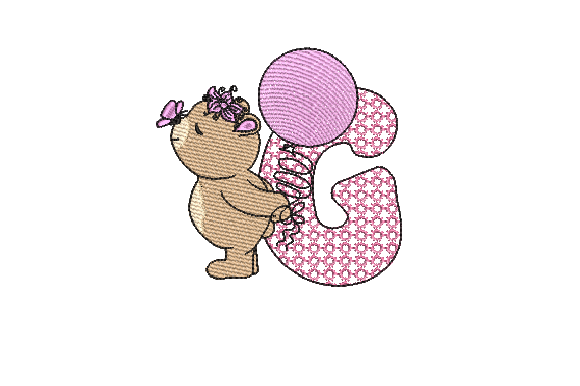
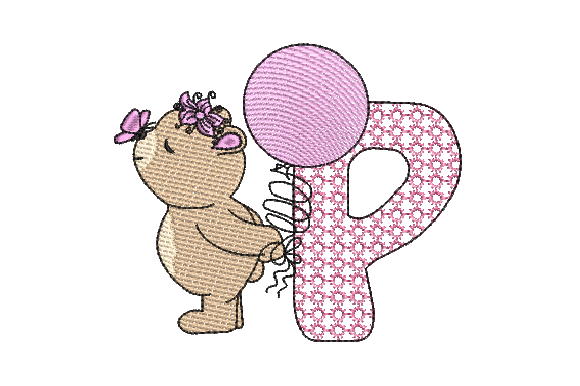
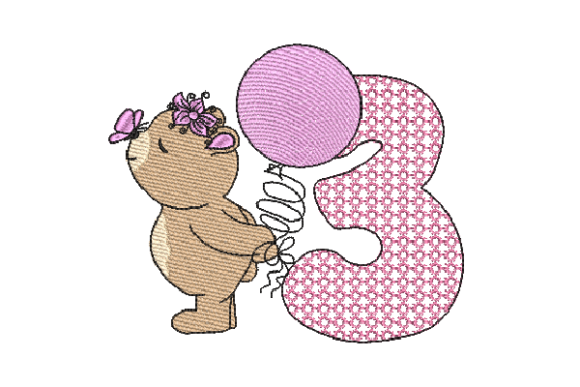
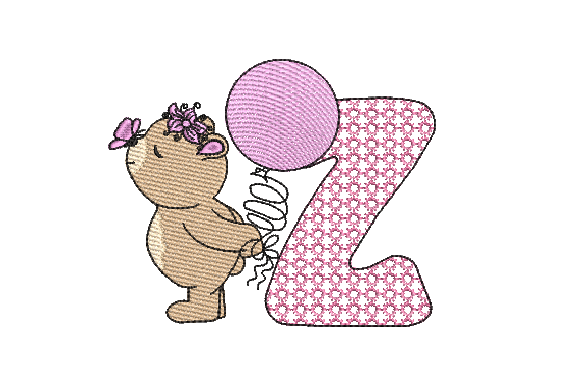
The immediate vibe of Z Girl Teddy is whimsical yet grounded. It does not try to be overly polished or rigid. Instead, it embraces the organic imperfections of a sketch. For embroidery designers and crafters, this is a significant distinction. Many digital files suffer from being too perfect, resulting in a sterile look that lacks soul. This design, however, feels like it was drawn with a charcoal pencil or a soft marker before being stitched. The lightly filled areas suggest texture without demanding heavy thread coverage, which is crucial for maintaining the drape of certain fabrics.
The layout is clean, allowing the teddy bear motif to integrate seamlessly with the lettering. This makes it an ideal candidate for personalized projects where the name is the hero, but the graphic adds emotional weight. It fits naturally into categories like nursery decor, baby items, and boutique branding where softness and approachability are key selling points.
Real-World Application: From Concept to Finished Product
To truly evaluate an embroidery file, you have to imagine it on a real product. I recently worked on a custom order for a small shop owner who wanted to launch a line of organic cotton tote bags. She needed a design that would stitch out quickly to keep production costs low but still look high-end. Z Girl Teddy was a strong contender here.
Because the design is described as having little to no underlay and being quick to stitch, it is perfect for high-volume items like tote bag designs or sweatshirt embroidery. I tested the concept on a medium-weight canvas. The result was impressive. The lack of dense underlay meant the fabric did not pucker excessively, and the "sketch" style hid any minor tension inconsistencies that might occur on thicker materials. For an Etsy seller or small shop product creator, speed is money. A design that stitches fast without sacrificing visual impact is a valuable asset in your design assets library.
Beyond apparel, consider holiday embroidery gifts. A kitchen towel or tea towel featuring this design makes for a charming, personalized gift. The light fill ensures the towel remains absorbent and soft, rather than turning into a stiff patch of thread. Similarly, for baby embroidery on onesies or burp cloths, the lightweight nature of the stitch pattern is gentler on delicate skin and thin fabrics.
Technical Considerations and Fabric Compatibility
While the aesthetic is appealing, practical application requires caution. The description notes that this is a sketch-style design with minimal underlay. This has implications for stitch density and stability. If you are working with stretchy fabrics like jersey knits for t-shirts, you must use an appropriate stabilizer. Without sufficient backing, the light fill may not anchor the design firmly, leading to distortion after washing.
I also recommend testing this design on dark fabrics carefully. Since it is lightly filled, the contrast between the thread and the fabric is vital. On a black sweatshirt, a pastel thread might get lost if the stitch spacing is too wide. Conversely, on white or light-colored fabrics, the sketch effect shines. Always run a test stitch on scrap fabric first. Check how the thread colors interact with your material. A monochromatic look using varying shades of gray or beige can enhance the hand-drawn illusion, while bold primary colors might make it look more cartoonish than artistic.
Be mindful of hoop size constraints. While alphabet sets are generally scalable, shrinking this design too much could cause the finer details of the teddy bear’s features to merge or become indistinct. If you are creating an embroidered patch or a small logo for a cap, ensure the minimum size recommended by the digitizer is respected. Curved surfaces like caps require additional stabilization and possibly a different hooping technique to prevent the design from pulling.
Enhancing Brand Value and Customer Trust
For commercial embroidery professionals, the choice of design reflects on your brand. Using a generic, clip-art style design can make your handmade product feel mass-produced. Z Girl Teddy, with its unique sketch aesthetic, helps differentiate your offerings. It signals to the customer that thought went into the design selection. This builds trust and perceived value.
When creating printable mockups for your online store, this design photographs well. The textured look translates nicely in digital previews, helping potential buyers visualize the finished product. Whether you are selling custom apparel or personalized home goods, the visual appeal of the design can drive buyer engagement. It feels authentic, which is a currency in the modern craft market.
Practical Notes for the Embroidery Designer
Before committing to a large batch of craft business items, keep these technical tips in mind:
- Check the License: Always confirm whether the digital embroidery file allows for commercial use. Some designers permit selling finished items but restrict the resale of the digital file itself.
- Thread Selection: Use matte threads like cotton or rayon to enhance the hand-drawn look. Shiny polyester threads might clash with the sketch aesthetic.
- Stabilizer Choice: For woven fabrics, a cut-away stabilizer provides lasting support. For knits, consider a tear-away with a topping if the fabric has a nap.
- Detail Inspection: Zoom in on your software. Look for any jump stitches that might need trimming. Ensure the transition between the letter "Z" and the teddy bear is smooth.
- Wash Testing: Wash your test piece to see how the light fill holds up. Does it fray? Does the fabric distort? This step is crucial for personalized gift items that will be used and laundered frequently.
In conclusion, Z Girl Teddy is a versatile and charming addition to any designer’s portfolio. It bridges the gap between playful and sophisticated, making it suitable for a wide range of applications from Teddy Bears themed nurseries to chic adult apparel. By understanding its technical requirements and leveraging its aesthetic strengths, you can create products that resonate with customers and stand out in a crowded marketplace. Remember, the best embroidery is not just about the stitch count; it is about the story the design tells on the fabric.