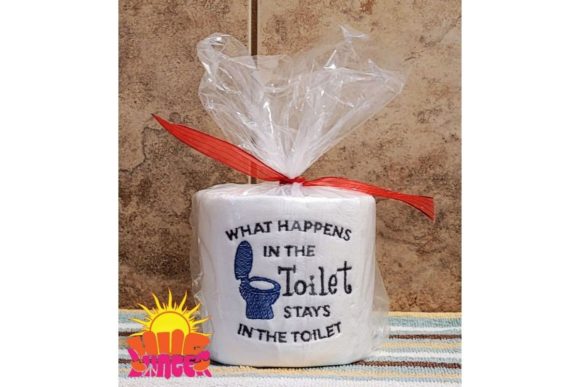
What Happens TP: A Designer’s Honest Review
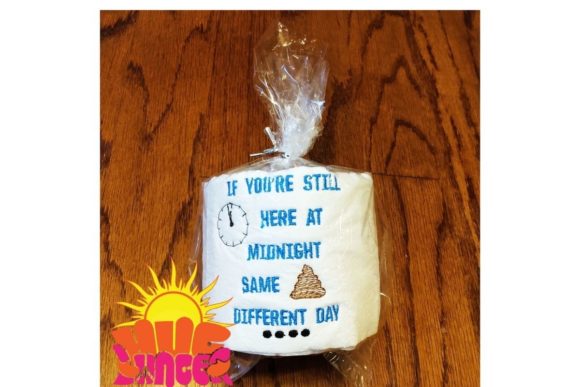
As an embroidery designer who spends more time staring at hoop frames than I care to admit, I am always on the lookout for designs that balance humor with technical precision. We all know that bathroom decor is a tricky niche. It needs to be funny without being crude, and stylish enough to fit into a modern home. Recently, I came across What Happens TP on Creative Fabrica, and it immediately caught my eye. The concept is simple yet effective: helpful hints for TP included in PDF format, designed to add some humor to the bathroom. But does it hold up under the needle? I decided to put this machine embroidery design through its paces to see if it belongs in your commercial portfolio.
First Impressions and Visual Mood
The first thing you notice about What Happens TP is its playful personality. It isn’t just a generic clipart conversion; it feels like a deliberate piece of art meant to provoke a chuckle. The visual mood is lighthearted and whimsical, which is exactly what you want for a product destined for the powder room. When I opened the files, I was pleased to see that the design comes with multiple embroidery file formats, ensuring compatibility with various machines. This versatility is crucial for us designers who might switch between Brother, Janome, or Husqvarna Viking machines depending on the project at hand.
The stitching personality appears clean in the preview, with a good balance of decorative appeal and readability. For a design that relies on text and a simple graphic, clarity is king. If the letters are too thin or the details too dense, the joke gets lost in the thread. Fortunately, this design seems to prioritize legibility, making it a strong candidate for items where the message needs to be read from a distance, such as a hanging hand towel or a wall decor piece.
Real-World Application for Handmade Products
So, where does What Happens TP actually shine? I envision this design working beautifully on a variety of handmade products. For Etsy sellers and small business owners, versatility is key to maximizing ROI on a single digital embroidery file. Here are a few projects where this design could thrive:
- Kitchen and Bath Towels: This is the most obvious choice. Embroidering this onto a high-quality waffle weave or terry cloth towel creates an instant bestseller. The humor adds value, turning a basic utility item into a personalized gift.
- Tote Bag Design: Imagine this stitched onto a canvas tote used for carrying laundry or beach supplies. It adds a cheeky touch to an otherwise mundane accessory.
- Aprons: A fun apron for a guest bathroom or a quirky kitchen can feature this design prominently. It serves as a conversation starter during gatherings.
- Embroidered Patch: If you have customers who prefer not to stitch directly onto their items, creating an iron-on or sew-on patch allows for greater flexibility. Patches can be applied to denim jackets, backpacks, or even pillow covers.
For those focusing on custom apparel, consider sweatshirt embroidery. A small placement on the lower back or chest of a cozy crewneck could work, provided the scale is adjusted correctly. However, keep in mind that bathroom-themed humor often performs better on home goods than on clothing worn in public spaces, so know your audience.
Technical Considerations and Stitching Performance
Before you rush to stitch out ten units for a craft fair, let’s talk about the technical side. As an experienced designer, I always advise checking the stitch density and file details before starting a large batch. While the product description mentions that helpful hints are included in PDF format, it is vital to review these instructions carefully. They often contain specific advice on stabilizer usage and thread colors that can make or break your finished product.
One critical factor is the hoop size. Ensure that your machine’s hoop can accommodate the design dimensions. If you are working with smaller hoops, you may need to resize the design, but be cautious. Resizing can alter the stitch density, potentially leading to thread breaks or fabric puckering. Always test on scrap fabric first. This is non-negotiable. I recommend testing on the same type of material you intend to use for the final product, whether it is a stretchy fleece for a blanket or a woven cotton for a towel.
Thread color contrast is another essential element. Since this design likely involves text, ensure there is enough contrast between the thread and the fabric. Dark fabric requires lighter threads, and vice versa. If you are using a satin stitch for the lettering, check that the width is sufficient to cover the fabric weave without being so wide that it catches on things. For fill stitch areas, inspect the density to ensure it doesn’t become too stiff, especially if the item will be washed frequently.
Enhancing Product Value and Brand Consistency
Incorporating What Happens TP into your shop can significantly enhance your brand’s personality. Buyers trust sellers who show attention to detail and a sense of humor. A well-executed embroidered item suggests quality and care. When you present this design in your product photography, aim for a lifestyle shot that shows the item in context. A towel hanging in a nicely styled bathroom or an apron draped over a chair tells a story that a flat lay cannot.
This approach boosts customer engagement. People love to share funny finds on social media, and a witty bathroom accessory is highly shareable. This organic marketing can drive traffic to your handmade shop without additional ad spend. Furthermore, offering this as part of a bundle—for example, paired with other bathroom-themed applique designs—can increase your average order value.
Final Verdict for Creative Entrepreneurs
Is What Happens TP worth downloading? For designers looking to expand their Bathroom embroidery collection with something that has genuine charm and commercial potential, yes. It offers a nice break from the overly serious or purely floral designs that saturate the market. The inclusion of multiple file formats makes it accessible, and the humorous angle gives it a unique selling proposition.
However, success lies in the execution. Use proper stabilizer, respect the recommended hoop size, and always do a test stitch. Check the licensing terms on the Creative Fabrica product page to confirm you are cleared for commercial embroidery sales. Most designs on the platform allow for finished physical products, but it is always wise to double-check. By treating this digital embroidery file with the same care you would give a custom commission, you can create high-quality, giftable items that resonate with buyers. Whether you are decorating a nursery, stocking an Etsy store, or creating boutique merchandise, this design has the potential to be a staple in your creative toolkit.