Turkey Eat Beef: A Designer’s Review for Craft Fairs
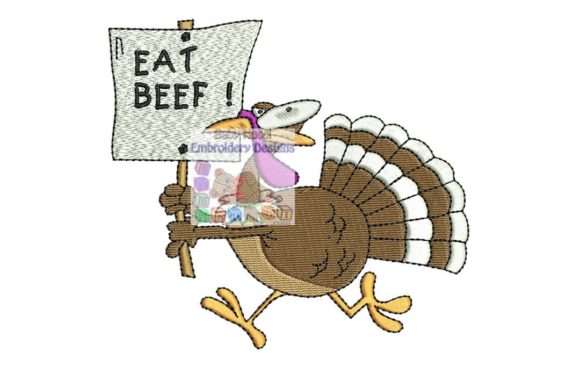
As an embroidery designer who has spent countless weekends standing behind booth tables, I have learned that the difference between a design that sits unnoticed and one that sells out by noon often comes down to immediate visual impact and practical application. When I first loaded the Turkey Eat Beef machine embroidery design into my software, my initial reaction was one of amused curiosity. This is not your traditional, stately Thanksgiving turkey. It is playful, slightly irreverent, and undeniably cute. For craft fair sellers and handmade shop owners, this specific mood is a powerful tool. It breaks through the noise of standard autumnal leaves and generic "Give Thanks" text, offering something that makes a customer stop, smile, and engage.
First Impressions and Market Appeal
The title itself, Turkey Eat Beef, suggests a humorous twist on holiday traditions. In a market saturated with serious, rustic, or elegant farmhouse decor, a design that leans into humor and whimsy stands out. This adorable Turkey is ready to bring on the Thanksgiving cheer into your life, but it does so with a wink. For Etsy sellers and boutique makers, this means the design appeals to a younger demographic or those looking for gag gifts and conversation starters. It feels modern, funny, and approachable. When evaluating this as a craft fair product, I look for designs that are easily understood at a glance. This design succeeds because the concept is simple: a cute turkey enjoying a non-traditional meal. It requires no explanation, which is crucial when you only have seconds to capture a passerby’s attention.
Versatility Across Product Lines
One of the strongest assets of this embroidery file is its versatility. The description notes that you can stitch this cute embroidery on jumpers, decorative pillows, aprons, kitchen towels, napkins, home decor, T-shirts, and sweatshirts. From a production standpoint, this breadth allows for a cohesive booth display. Imagine a table featuring a matching set: an embroidered apron for the host, tea towel embroidery for the guest, and a tote bag design for carrying leftovers. This creates a narrative that encourages multiple purchases.
For small shop products, consider using this design on canvas tote bags. The contrast of a colorful, cartoonish turkey against natural cotton is visually striking. Apron embroidery is another high-value application. People love buying themed aprons for holiday hosting, and the humorous nature of this design makes it a perfect gift for the friend who handles the cooking. Additionally, embroidered patches are a trending item. If the design scales well, turning it into an iron-on or sew-on patch allows customers to customize their own denim jackets or backpacks, expanding your reach beyond pre-made items.
Production Practicalities and Technical Notes
While the aesthetic appeal is strong, the practical side of production requires careful attention. As a designer, I always advise testing the design on scrap fabric before committing to final products. You must check thread contrast to ensure the turkey pops against your chosen background. If you are using dark fabric, such as a navy sweatshirt or black tote, you may need to adjust the thread colors or add a white underlay to prevent the design from getting lost.
Stitch density is another critical factor. If the design has dense stitch areas, it may pull on lightweight fabrics like silk or thin cotton napkins. In such cases, using the right stabilizer is non-negotiable. A cut-away stabilizer might be necessary for stretchy fabrics like T-shirts and sweatshirts to maintain shape, while a tear-away could suffice for woven tea towels. Always inspect the spacing of the elements. Tiny details can get lost if the design is scaled down too much. If you plan to use this on small items like fabric pouches or coaster sets, ensure the design remains clear and legible at that smaller hoop size.
Curved surfaces, such as caps, present their own challenges. The description mentions various home decor items, but if you attempt cap embroidery, be mindful of the curvature. A design that is too wide may distort around the front panel. Test stitching on a similar curved surface to confirm the design lays flat and does not pucker. Fabric texture also plays a role; textured towels can obscure fine details, so a bolder version of the design might work better there than a delicate one.
Boosting Visual Appeal and Brand Consistency
Incorporating Turkey Eat Beef into your lineup can significantly enhance your booth display strength. Handmade quality is often judged by the finish of the embroidery. Ensure that your finished product has clean trims, no loose threads, and proper backing removal. This attention to detail builds trust with buyers. For online listings, this design photographs well because of its inherent charm. Create at least one real mockup showing the design in use—perhaps on a model wearing the apron or holding the tote bag. Printable mockup tools can help visualize the design on different products, but nothing beats a photo of the actual stitched item.
Brand consistency is key. If your shop specializes in humorous or quirky items, this digital embroidery file fits perfectly. It reinforces your brand identity as fun and creative. For commercial embroidery purposes, ensure you have the correct license. The description implies it is for personal and commercial use, but always verify the terms included with the design assets before selling finished products. This protects your business and ensures you are respecting the creator’s rights.
Final Verdict for Craft Fair Sellers
Ultimately, Turkey Eat Beef is a strong contender for your Thanksgiving collection. It offers a fresh take on a holiday staple, appealing to customers who want something different from the usual decor. Its adaptability across various items—from kitchen textiles to wearable art—makes it a cost-effective addition to your inventory. By paying attention to technical details like stabilizer choice and thread contrast, you can produce high-quality items that reflect professional craftsmanship.
Remember to batch produce where possible. Stitching multiple aprons or towels in one session increases efficiency, allowing you to maximize your profit margin at the fair. Keep an eye on how customers react to the humor in the design; their smiles and comments are immediate feedback on its market viability. With the right presentation and quality control, this design can become a standout seller in your handmade product lineup, driving both foot traffic to your booth and clicks to your Etsy shop.