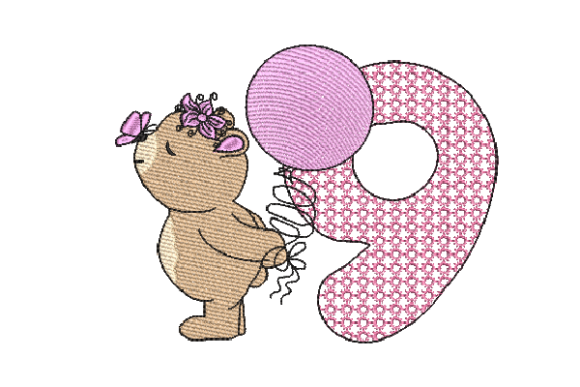
Reviewing Number 9 Cute Teddy for Real Projects
As a designer who has spent countless hours digitizing and testing embroidery files, I have developed a keen eye for what works on the machine versus what merely looks good on a screen. When I first loaded Number 9 Cute Teddy into my software, my immediate reaction was one of relief. In a market saturated with overly complex, dense designs that eat up thread and time, this piece stands out for its simplicity and charm. It is not just a graphic; it is a practical solution for makers who need efficiency without sacrificing aesthetic appeal.
The design belongs to a number set, but it functions as a standalone character. The teddy bear motif is rendered in a sketch-like style, giving it a hand-drawn, whimsical personality. For those of us running small shops or fulfilling custom orders, understanding how such a design translates from a digital embroidery file to a finished product is crucial. Here is my honest assessment of how this design performs in real-world scenarios.
First Impressions and Visual Personality
The mood of Number 9 Cute Teddy is undeniably playful yet understated. The "lightly filled" description in the product details is accurate. Instead of heavy satin stitch blocks or dense fill stitch areas that can stiffen fabric, this design relies on clever use of running stitch and minimal underlay. This approach creates a soft, airy look that feels modern and fresh.
For embroidery designers and craft business owners, this visual lightness is a significant advantage. It allows the texture of the base material to show through, which is particularly important when working with high-quality fabrics like organic cotton or linen. The lack of heavy underlay means the design sits flat against the garment, avoiding that raised, puckered look that often plagues amateur embroidery projects.
Real-World Application: The Custom Tote Bag Test
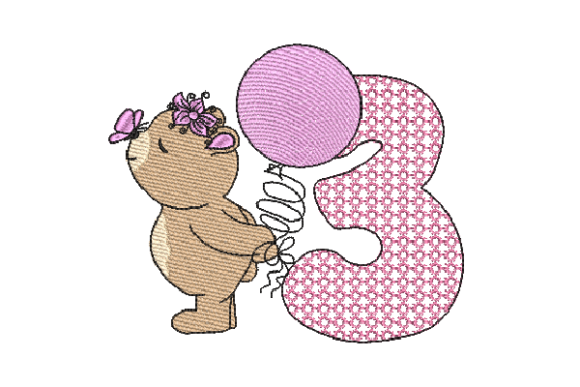
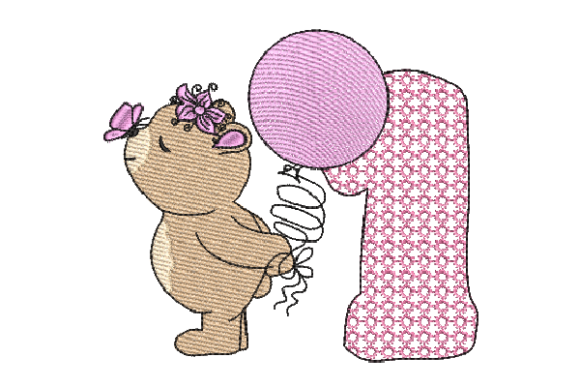
To truly evaluate a design, you must imagine it in context. I recently considered using this motif for a line of personalized birthday gifts. Imagine a canvas tote bag design intended for a child’s ninth birthday. The number nine is integrated seamlessly with the teddy bear, creating a cohesive unit rather than two disjointed elements.
When stitching this onto a tote bag, the quick stitch-out time is a major benefit. I could produce multiple units in a single afternoon, making it ideal for Etsy sellers who need to manage inventory turnover. The sketch-style lines hold up well on the textured surface of canvas, where finer details might get lost. Customers reacting to such a handmade product often appreciate the artisanal feel of the sketch aesthetic, which suggests care and creativity rather than mass production.
Versatility Across Product Types
Beyond tote bags, this design shines in several other categories:
- Sweatshirt Embroidery: On fleece or French terry, the light fill prevents the design from becoming too bulky. It adds a cute accent to the chest or sleeve without weighing down the fabric.
- Baby Embroidery: For onesies or burp cloths, the soft lines are gentle and appealing. Parents often prefer subtle, elegant designs over loud, cartoonish graphics, and this fits that bill perfectly.
- Embroidered Patch Creation: If you are making iron-on patches, the clean outlines ensure that the edges cut cleanly. However, always test your stabilizer to ensure the patch holds its shape.
- Holiday Embroidery: While categorized under Birthdays, the neutral theme allows it to be adapted for various celebrations. A change in thread colors can shift the vibe from festive to everyday chic.
Technical Considerations and Fabric Choices
While Number 9 Cute Teddy is user-friendly, it is not without its technical nuances. Because it is lightly filled, it relies heavily on the contrast between the thread colors and the fabric texture. On dark fabrics, you must ensure your thread choice is vibrant enough to stand out. A dark grey thread on a black sweatshirt will vanish, ruining the visual impact.
Stitch density is low, which is generally good, but it means the design offers less coverage. If you are stitching on a textured towel or a rough linen, the background fabric might peek through the gaps in the sketch lines. This is not necessarily a flaw—it adds to the hand-drawn charm—but it is something to consider if your client expects a solid, opaque look. Always test the design on scrap fabric first. Check how the running stitch interacts with the weave of your specific material.
Curved surfaces, such as caps or hats, require careful hooping. Since the design includes both the number and the bear, ensure your hoop size is sufficient to capture the entire width without distortion. A small hoop might force you to resize the design, which could compromise the clarity of the sketch lines. Tiny details in hand-drawn styles can blur if scaled down too much, so respect the minimum recommended size provided by the digitizer.
Enhancing Brand Value and Customer Trust
For commercial embroidery and small shop products, consistency is key. Using a cohesive number set like this one helps build brand recognition. If a customer orders a shirt for their third birthday and later returns for their fifth, having matching design aesthetics creates a sense of continuity and professionalism. It signals that you are a thoughtful designer who curates quality assets.
Furthermore, the speed of production directly impacts your bottom line. A design that stitches out quickly allows you to offer competitive pricing while maintaining healthy margins. This is vital for digital embroidery file sellers and custom apparel decorators alike. When buyers see a clean, well-executed finished product, their trust in your brand grows. They are more likely to return for future personalized gifts or recommend your services to others.
Practical Designer Notes
Before launching this design into your production workflow, keep these tips in mind:
- Check Thread Color Contrast: Use a color chart to preview the design. High contrast ensures the sketch lines remain visible.
- Inspect Small Details: Zoom in on the digitizing software. Look for any unnecessary jumps or trims that might slow down the machine.
- Test on Different Backgrounds: Stitch one sample on light fabric and one on dark. This helps you determine if you need an underlay adjustment or a different thread weight.
- Confirm Licensing: If you plan to sell finished items or use this in commercial embroidery projects, verify the license terms. Most designers allow physical sales but restrict the resale of the digital embroidery file itself.
- Use Proper Stabilizer: Even with low density, a cut-away stabilizer is often best for stretchy fabrics like t-shirts to prevent distortion over time.
In conclusion, Number 9 Cute Teddy is a versatile, efficient, and aesthetically pleasing addition to any embroidery library. It bridges the gap between playful charm and professional execution. Whether you are creating a bespoke birthday gift, stocking your Etsy shop with custom apparel, or designing a new line of nursery decor, this design offers the reliability and visual appeal needed to succeed. By understanding its strengths and limitations, you can leverage it to create high-value, memorable products that resonate with your customers.