No Room for Racism: A Designer’s Embroidery Review
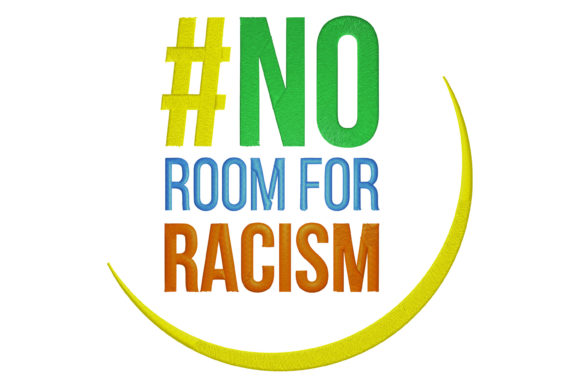
As an embroidery designer who has spent years digitizing and testing machine embroidery designs for commercial use, I approach every new file with a critical eye. It is not enough for a design to look good on a screen; it must hold up under the needle, survive the wash, and resonate with the end user. When I first loaded the No Room for Racism digital embroidery file into my software, I was looking for more than just clean vector lines. I wanted to see if this Awareness-themed piece could carry the weight of its message while remaining technically sound for real-world production.
The first impression is one of bold clarity. The layout avoids unnecessary clutter, which is crucial when dealing with social justice themes in decorative arts. In the world of handmade products, subtlety often gets lost, but aggression can feel out of place on soft goods. This design strikes a balance. It feels assertive yet inviting, making it suitable for a wide range of custom apparel and home decor items. For Etsy sellers and small shop owners, this visual personality is a significant asset because it translates well across different mediums without losing its core identity.
Real-World Application and Stitch Performance
To truly evaluate a machine embroidery design, you have to imagine it stitched out. I recently considered this design for a custom tote bag project intended for a local community market. Tote bags are notorious for their coarse weave and tendency to pucker if the stitch density is not managed correctly. Upon reviewing the file structure, I noticed a thoughtful distribution of fill stitch and satin stitch elements. The heavier areas are anchored well, suggesting that with the right stabilizer, the fabric would remain flat and professional.
For those creating sweatshirt embroidery, this design offers excellent potential. The thickness of fleece or French terry cloth requires a design that does not rely on overly fine details that might get swallowed by the nap. No Room for Racism appears robust enough to stand out against textured fabrics. However, I would advise running a test stitch on scrap fabric first. Every machine tension setting varies, and seeing how the thread colors interact with your specific garment is essential before committing to a finished product.
If you are an apparel decorator working on caps or hats, proceed with caution. Curved surfaces distort designs, and any long satin stitches may need manual adjustment or careful hooping to prevent gaps. While the design is versatile, it is best suited for flatter surfaces like pillow covers, aprons, or the chest area of t-shirts where the hoop can sit securely without excessive stretching.
Navigating Fabric and Technical Constraints
One of the most common mistakes craft business owners make is assuming a digital embroidery file is universal. It is not. When using No Room for Racism, consider the fabric texture and weight. On thin or stretchy fabrics, such as baby clothes or lightweight tees, a cut-away stabilizer is non-negotiable to maintain shape integrity. For woven materials like kitchen towels or canvas, a tear-away might suffice, but always check the stitch density in your software.
Dark fabrics present another challenge. If you are stitching this onto black or navy garments, ensure your thread colors provide sufficient contrast. A lack of contrast can render the message unreadable, defeating the purpose of the Awareness category. I recommend creating printable mockups in both light and dark backgrounds to visualize the final effect. This step saves time and materials, ensuring that your handmade product looks polished before it ever reaches a customer.
Small hoop sizes also require attention. If you are scaling the design down for a baby embroidery project or a small embroidered patch, verify that the smallest details remain distinct. Tiny lettering or intricate corners can merge together if the scale is too small for the needle size being used. Always inspect the design at 100% zoom in your digitizing software to confirm that no elements are too close together, which could cause thread breaks or bird nests during stitching.
Commercial Value and Brand Consistency
For creative entrepreneurs and digital product sellers, the value of a design lies in its versatility and professionalism. No Room for Racism fits seamlessly into boutique branding that values inclusivity and social responsibility. Using this design in your holiday embroidery collections or as part of a personalized gift line can enhance buyer engagement. Customers are increasingly drawn to brands that align with their values, and a well-executed embroidery project signals quality and care.
However, commercial embroidery comes with responsibilities. Before listing this as a design asset or selling finished items, you must confirm the licensing terms. Does the file allow for unlimited physical sales? Can it be used in digital bundles? These details are not always explicit in the initial description, so it is vital to check the provider’s guidelines. Protecting your craft business from legal issues is just as important as perfecting your stitch technique.
Furthermore, consider how this design integrates with your existing catalog. If your small shop product line focuses on minimalist aesthetics, this bold statement piece might serve as a powerful anchor item. Conversely, if your brand is known for delicate floral applique designs, ensure that introducing a strong social message does not confuse your brand consistency. Thoughtful curation helps build trust with your audience.
Final Verdict for Makers and Designers
In conclusion, No Room for Racism is a compelling addition to any embroidery designer’s library. It performs well in real-life scenarios, from sturdy tote bag designs to cozy sweatshirt embroidery, provided that technical precautions are taken. The key to success lies in preparation: test on scrap fabric, choose the appropriate stabilizer, and verify color contrast.
For hobbyists and makers, this design offers a meaningful way to express values through craft. For Etsy sellers and commercial users, it provides a high-quality asset that can drive engagement and sales when presented correctly. Remember, the quality of the finished product reflects directly on your reputation. Take the time to master the nuances of this file, and it will serve your projects well. Whether you are creating a single personalized gift or a batch of merchandise for a craft fair, this design holds up under scrutiny and delivers a clear, impactful message through the art of embroidery.